The Warning Lights of the Mind: Recognizing When Mental Health Is at Risk
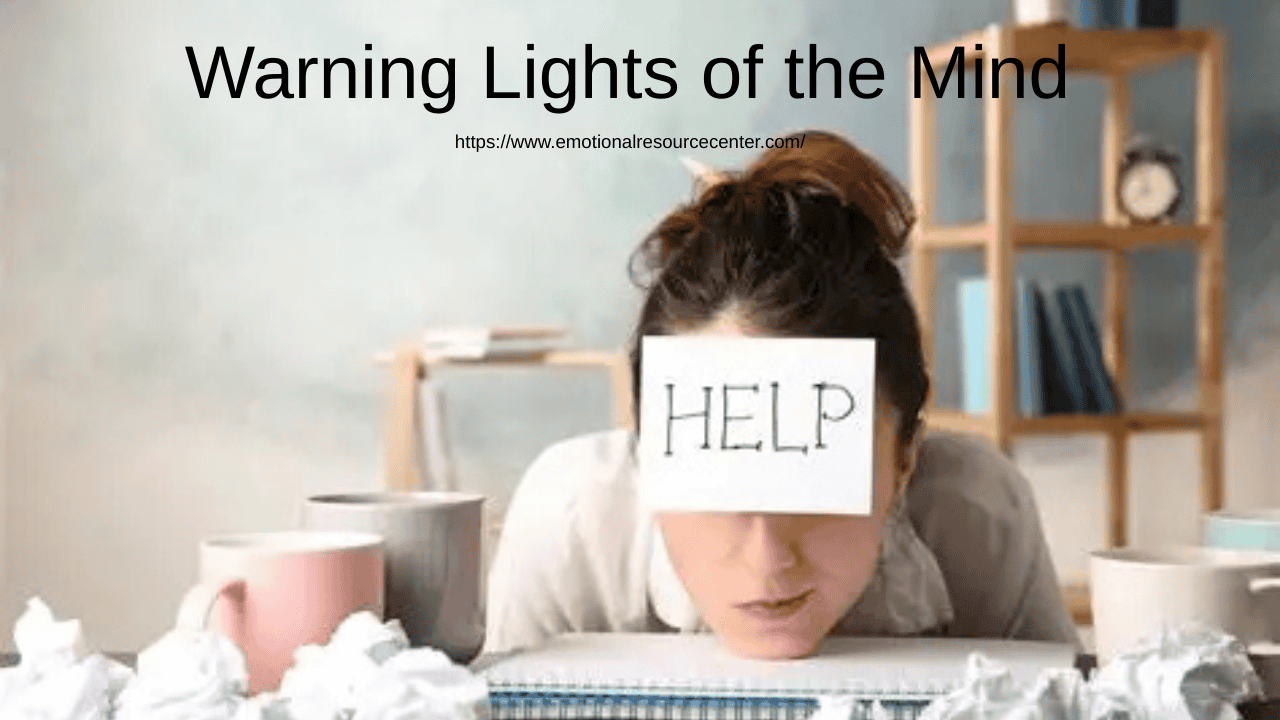
Just as the dashboard lights in a car signal when something needs attention, our minds give us warning signs when mental health is at risk. These signs are often subtle at first: changes in mood, energy, or thinking that may be easy to dismiss. But when left unaddressed, they can grow into larger struggles that threaten stability, recovery, and overall well-being. Recognizing these early indicators is not about expecting the worst but about protecting your health before a crisis occurs.
At Emotional Resource Center, we believe that prevention and awareness are just as important as treatment. Our compassionate, faith-based, and holistic programs are designed to help individuals and families spot these warning lights and respond with strength, clarity, and support.
Why Early Recognition Matters
Mental health struggles rarely appear overnight. More often, they build gradually, fueled by stress, trauma, unresolved emotions, or environmental pressures. When individuals know what to look for, they can take proactive steps that reduce the risk of relapse or worsening symptoms. This proactive approach empowers people to maintain stability and stay on the path to long-term wellness.
Common Warning Signs of Mental Health Risk
Changes in Mood
Persistent sadness, irritability, or heightened anxiety may signal that emotional balance is shifting. While everyone experiences ups and downs, sudden or prolonged mood changes are worth paying attention to.
Withdrawal from Relationships
Pulling away from friends, family, or community support often indicates growing distress. Isolation can quickly intensify feelings of hopelessness or cravings for old coping mechanisms.
Disturbed Sleep or Appetite
Insomnia, oversleeping, or major appetite changes can be early physical signs of mental strain. These shifts disrupt the body’s natural rhythm and can increase vulnerability to relapse.
Difficulty Concentrating
Struggling to focus on work, studies, or daily tasks may be a sign that mental health needs attention. Cognitive changes often accompany emotional distress.
Loss of Interest or Motivation
When activities that once brought joy feel meaningless, it may point to depression, burnout, or relapse risk. Recognizing this loss of motivation is key to intervening early.
How to Respond to Mental Health Warning Signs
Acknowledge What You Notice
Dismissing or ignoring the warning lights of the mind allows them to grow stronger. Naming what you are experiencing is the first step toward healing.
Lean on Your Support System
Talk with trusted friends, family, or members of your faith community. Sharing openly prevents isolation and reminds you that you are not alone in your journey.
Use Healthy Coping Strategies
Engage in practices like journaling, prayer, exercise, or mindfulness. These tools help manage stress while giving your mind and body positive outlets.
Seek Professional Guidance
If symptoms persist or worsen, reaching out for help is vital. Professional treatment provides a structured path forward, combining therapy, medication if needed, and holistic care tailored to your individual needs.
Building Resilience for the Future
Mental health is not a fixed destination but an ongoing journey that requires care and attention. By recognizing early signs of strain and responding with intentional action, you can build resilience that protects against relapse and supports lifelong healing.
At Emotional Resource Center, we are dedicated to helping individuals and families navigate these challenges with compassion and strength. Whether through inpatient care, outpatient support, or faith-based holistic approaches, our mission is to guide you toward restoration and hope.
Take the Next Step
If you or someone you love is showing warning signs of mental health risk, do not wait for the struggle to deepen. Early action makes all the difference. Contact Emotional Resource Center today and discover the tools, community, and care that can keep you moving forward toward lasting wellness.