When Mental Illness Feels Repetitive: Signs, Triggers, and Paths Forward
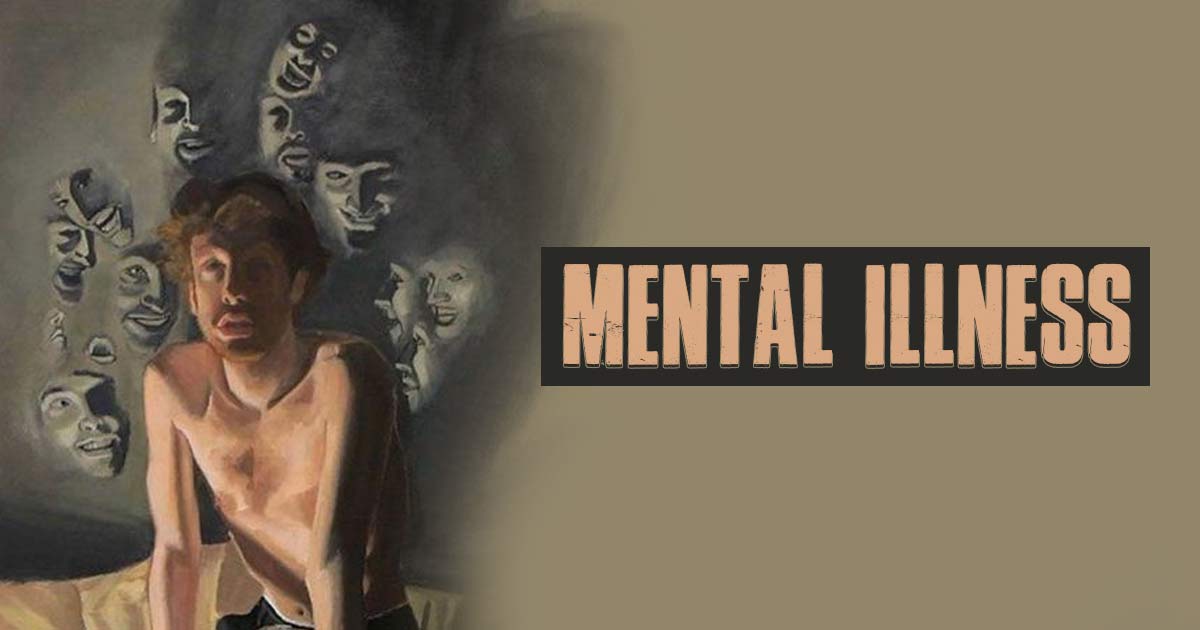
For many individuals, mental illness can feel like a recurring cycle. One moment you are managing your symptoms well, and the next, old patterns resurface, leaving you frustrated and uncertain. Understanding the signs and triggers of recurring mental health episodes is a critical first step toward breaking these patterns. At Emotional Resource Center, we provide individualized, compassionate care designed to help clients identify challenges and develop practical strategies for lasting recovery.

Recognizing the Signs of Repeating Mental Health Episodes

Mental health symptoms can vary in intensity and frequency, but repeating episodes often share common signs. Being aware of these signs can empower you to take action early and prevent a full relapse.

Emotional and Behavioral Indicators

  • Persistent Low Mood or Anxiety: A return of sadness, irritability, or worry that lasts for days or weeks.
  • Loss of Motivation or Interest: Feeling disengaged from activities that were once enjoyable.
  • Increased Substance Use: Turning to alcohol or drugs to cope with stress or emotional pain.
  • Sleep and Appetite Changes: Significant shifts in sleep patterns or eating habits.

Recognizing these early indicators allows individuals and their support teams to intervene proactively, reducing the impact of recurring episodes.

Understanding Triggers That Fuel Recurrence

Identifying triggers is essential to breaking the cycle of mental illness. Triggers can be external, internal, or environmental, and they often interact in complex ways.

Common Triggers

  • Stressful Life Events: Job changes, financial pressures, or relationship challenges.
  • Environmental Cues: Returning to locations, social circles, or routines associated with past struggles.
  • Isolation or Lack of Support: Limited access to family, friends, or peer networks.
  • Unaddressed Underlying Issues: Trauma, unresolved emotional pain, or untreated co-occurring disorders.

Understanding these triggers empowers clients to develop coping strategies and seek support before symptoms escalate.

Paths Forward: Breaking the Cycle with Integrated Care

Recurring mental health challenges are not a sign of weakness. With comprehensive, integrated care, it is possible to break the cycle and develop resilience.

Individualized Mental Health Treatment

At Emotional Resource Center, treatment begins with a thorough assessment to understand each client’s unique experiences. Evidence-based therapies, such as cognitive-behavioral therapy and trauma-informed care, help clients develop coping skills, regulate emotions, and prevent repeating episodes.

Addiction Recovery and Co-Occurring Care

For individuals with co-occurring addiction, integrated treatment addresses both substance use and mental health challenges simultaneously. Inpatient and outpatient programs provide structured support, relapse prevention strategies, and life skills training that strengthen long-term stability.

Holistic and Faith-Based Support

Holistic approaches complement traditional therapy by supporting emotional, physical, and spiritual well-being. Mindfulness, exercise, nutrition, and faith-based guidance enhance resilience, helping clients respond effectively to triggers and reduce the risk of recurrence.

Practical Steps to Sustain Recovery

In addition to professional treatment, individuals can adopt practical habits to maintain stability:

  • Keep a consistent daily routine including sleep, nutrition, and exercise.
  • Build a supportive network of family, friends, or recovery groups.
  • Monitor symptoms and triggers to intervene early.
  • Continue therapy or counseling even when symptoms improve.
  • Practice self-compassion and view setbacks as opportunities to learn and grow.

Take Action Toward Lasting Wellness

When mental illness feels repetitive, it can be discouraging, but recovery is possible. Emotional Resource Center provides compassionate, individualized, and holistic care to help clients identify signs, understand triggers, and develop practical strategies for lasting wellness. If you or a loved one are facing recurring mental health challenges, reach out today to explore a personalized care plan and take the first step toward breaking the cycle and building resilience.

Breaking the Loop: How Integrated Care Helps Prevent Recurring Mental Illness

Recurring mental health challenges can feel like a never-ending cycle. One day you feel stable, and the next, familiar symptoms return, leaving you discouraged and uncertain about recovery. Understanding why mental health episodes repeat and how integrated care addresses the root causes is essential for building long-term wellness. At Emotional Resource Center, we combine individualized mental health treatment, addiction recovery, and holistic support to help clients break the loop and regain control of their lives.

Understanding Why Mental Health Cycles Repeat

Mental health conditions, such as depression, anxiety, and co-occurring addiction, often follow a cyclical pattern. Biological, psychological, and environmental factors can contribute to these repeating episodes. Brain chemistry, genetics, and past trauma influence how the mind responds to stress and triggers. In individuals recovering from substance use disorders, these cycles can be intensified, as addiction may disrupt emotional regulation and coping mechanisms.

Recognizing that recurrence is not a sign of personal failure is critical. Understanding the patterns allows both clients and care teams to take proactive steps to prevent relapse and strengthen resilience.

Common Triggers of Recurring Episodes

Certain triggers often lead to repeated mental health challenges:

  • Stress and Life Changes: Job transitions, relationship difficulties, or major life events can activate symptoms.
  • Environmental Factors: Returning to environments associated with past struggles may reinforce old behaviors.
  • Insufficient Support: Isolation or lack of a supportive network can make it harder to manage symptoms.
  • Incomplete Treatment: Discontinuing therapy, medication, or recovery programs prematurely can allow old patterns to resurface.

Identifying these triggers is the first step in preventing repeating episodes and creating a sustainable recovery plan.

How Integrated Care Breaks the Cycle

Integrated care addresses mental health and addiction simultaneously, providing a comprehensive approach that reduces the likelihood of recurring episodes. At Emotional Resource Center, integrated care is delivered through a combination of individualized therapy, addiction treatment, and holistic practices that support the mind, body, and spirit.

Individualized Mental Health Treatment

Every person’s experience with mental health is unique. Integrated care begins with a thorough assessment to understand each client’s specific needs. Individualized treatment plans often include evidence-based therapies such as cognitive-behavioral therapy, trauma-informed care, and mindfulness practices. These approaches help clients develop healthy coping mechanisms, identify early warning signs, and reduce the risk of recurrence.

Addiction Recovery as Part of Integrated Care

For clients with co-occurring addiction, addressing substance use is essential. Inpatient and outpatient programs provide structured support, relapse prevention strategies, and life skills training. By treating both mental health and addiction together, integrated care ensures that underlying issues contributing to recurring episodes are addressed comprehensively.

Holistic and Faith-Based Approaches

Holistic care complements traditional treatment by nurturing the mind, body, and spirit. Mindfulness, meditation, physical wellness, and faith-based counseling enhance emotional resilience and support long-term recovery. By integrating these practices into individualized care plans, clients gain tools to respond effectively to triggers and maintain stability over time.

Practical Steps to Support Recovery

Alongside professional care, clients can take practical steps to reinforce resilience and prevent recurring mental health challenges:

  • Establish a consistent daily routine including sleep, nutrition, and exercise.
  • Build and maintain a supportive network of family, friends, or peer groups.
  • Track symptoms and triggers to address issues early.
  • Continue therapy or support groups even after improvements occur.
  • Practice self-compassion and recognize that setbacks are part of the recovery journey.

Take the First Step Toward Lasting Wellness

Recurring mental health episodes can feel discouraging, but integrated care offers a pathway to break the loop. Emotional Resource Center provides individualized, holistic, and compassionate support designed to address mental health challenges, co-occurring addiction, and the unique needs of every client. If you or a loved one are struggling with recurring mental health symptoms, reach out today to explore how integrated care can help you build resilience, regain control, and achieve lasting wellness.

From Recurrence to Resilience: Understanding Repeating Episodes of Mental Illness

Experiencing the same mental health challenges repeatedly can be overwhelming. You may feel like you are stuck in a loop, facing familiar struggles despite your best efforts. Understanding why mental health episodes recur is essential for developing effective strategies to build resilience and maintain long-term wellness. At Emotional Resource Center, we guide individuals through this journey, offering compassionate support, personalized care, and evidence-based treatment options that address the unique challenges of repeating episodes.

Why Mental Health Episodes Repeat

Repeating episodes of mental illness are influenced by a combination of biological, psychological, and environmental factors. Conditions such as depression, anxiety, and co-occurring substance use disorders often follow a cyclical pattern. Recognizing the underlying causes of these patterns is key to developing strategies that prevent relapse and promote lasting recovery.

Biological and Psychological Influences

Brain chemistry, genetics, and hormonal imbalances can make some individuals more susceptible to recurring symptoms. Trauma and unresolved emotional experiences may also contribute to cycles of mental illness. For individuals in addiction recovery, these patterns are often intensified, as substance use can disrupt emotional regulation and coping skills.

Environmental and Lifestyle Triggers

External factors play a significant role in repeating episodes. Stressful life events, relationship challenges, and work pressures can trigger symptoms. Lack of social support, isolation, or returning to environments associated with past struggles may also increase vulnerability. Understanding these triggers allows individuals and their care teams to develop proactive coping strategies.

Breaking the Cycle Through Professional Treatment

The good news is that recurring mental health episodes can be managed and often prevented with the right treatment approach. Emotional Resource Center provides comprehensive, individualized care designed to break these cycles and foster resilience.

Individualized Mental Health Treatment

Effective treatment begins with a thorough assessment of both mental health and substance use. Individualized care plans may include therapy, medication management, and personalized support strategies. Evidence-based therapies such as cognitive-behavioral therapy, dialectical behavior therapy, and trauma-informed care help clients develop healthy coping skills, identify early warning signs, and reduce the likelihood of recurrence.

Integrated Addiction Recovery

For those facing co-occurring addiction, integrated care addresses both mental health and substance use simultaneously. Inpatient and outpatient programs provide structured support, relapse prevention strategies, and skill-building exercises that help clients rebuild routines and maintain long-term stability. Addressing both conditions at the same time ensures that underlying factors contributing to repeated episodes are treated effectively.

Holistic and Faith-Based Support

Holistic and faith-based approaches complement traditional treatment by focusing on overall well-being. Practices such as mindfulness, meditation, physical activity, nutrition, and spiritual guidance enhance emotional resilience and support sustained recovery. By nurturing the mind, body, and spirit, clients gain tools to respond to triggers more effectively and break harmful cycles.

Practical Strategies for Building Resilience

Alongside professional treatment, clients can take practical steps to strengthen resilience and prevent repeating episodes:

  • Maintain a consistent daily routine that includes sleep, nutrition, and physical activity.
  • Build a supportive network of family, friends, or peer groups.
  • Track symptoms and triggers to intervene early.
  • Continue therapy or support groups even after symptoms improve.
  • Practice self-compassion and recognize setbacks as opportunities for growth.

From Recurrence to Resilience

Experiencing repeated mental health episodes can be discouraging, but with the right support and strategies, it is possible to move from recurrence to resilience. Emotional Resource Center offers individualized, holistic, and compassionate care to help clients break cycles, strengthen coping skills, and achieve lasting wellness. If you or a loved one are struggling with recurring mental health challenges or co-occurring addiction, reach out today to take the first step toward a healthier, more resilient future.

Why Mental Health Cycles Repeat and How Treatment Breaks the Pattern

Mental health challenges can often feel like a repeating loop. One day, you feel in control, and the next, old symptoms resurface, leaving you frustrated and questioning whether lasting recovery is possible. Understanding why mental health cycles repeat is the first step toward breaking the pattern. With the right support, treatment, and strategies, these cycles can be interrupted, giving individuals the tools they need for long-term stability and well-being.

Understanding the Repetition of Mental Illness

Mental health cycles often repeat due to a combination of biological, psychological, and environmental factors. Brain chemistry, genetics, and past experiences all influence how the mind responds to stress and triggers. For individuals recovering from addiction, these cycles can be particularly pronounced, as substance use may have altered emotional regulation and coping mechanisms.

Repeated episodes of depression, anxiety, or substance relapse are not a sign of personal failure. They are part of the complex nature of mental health disorders. Recognizing this is crucial for developing compassion for yourself and a realistic approach to recovery.

Common Triggers That Sustain the Cycle

Certain triggers often contribute to the repetition of mental health challenges:

  • Stressful Life Events: Major changes, trauma, or ongoing stress can exacerbate underlying conditions.
  • Unhealthy Coping Mechanisms: Reliance on substances or avoidance behaviors may temporarily numb symptoms but reinforce long-term cycles.
  • Isolation: A lack of support can make it harder to manage symptoms and recognize early warning signs.
  • Incomplete Treatment: Stopping therapy, medications, or support programs prematurely can allow old patterns to return.

By identifying these triggers, individuals and their care teams can develop strategies to prevent relapse and promote lasting mental health.

How Treatment Breaks the Pattern

The good news is that mental health treatment is highly effective at breaking these cycles. At centers like Emotional Resource Center, care is tailored to address each person’s unique needs, combining evidence-based therapies with holistic support.

Individualized Mental Health Treatment

Treatment begins with a thorough assessment to understand both the psychological and biological factors influencing a person’s condition. Individualized care plans ensure that therapy, medication management, and support services align with the specific challenges a person faces. Cognitive-behavioral therapy, mindfulness practices, and trauma-informed care are commonly used to build healthy coping skills and reduce the risk of recurring episodes.

Integrated Addiction Recovery

For individuals with co-occurring addiction, integrated treatment addresses both substance use and mental health simultaneously. Inpatient and outpatient programs provide structured support to manage cravings, develop relapse prevention strategies, and rebuild daily routines. By tackling the root causes of addiction alongside mental health conditions, treatment helps break the cycle rather than simply managing symptoms.

Holistic and Faith-Based Approaches

Holistic care focuses on the mind, body, and spirit. Practices such as meditation, exercise, nutrition planning, and faith-based counseling enhance emotional resilience and self-awareness. This comprehensive approach supports long-term recovery and reduces the likelihood of repeating mental health cycles.

Practical Steps for Sustaining Recovery

While professional treatment is essential, there are steps individuals can take daily to maintain stability:

  • Maintain a consistent routine that includes sleep, nutrition, and exercise.
  • Build a strong support network of family, friends, or recovery groups.
  • Monitor triggers and early warning signs to address challenges before they escalate.
  • Engage in ongoing therapy or counseling even after symptoms improve.
  • Practice self-compassion and recognize that setbacks are part of the recovery journey.

Breaking the Cycle Starts Today

Mental health cycles can be exhausting and discouraging, but they are not permanent. With the right treatment, support, and strategies, it is possible to interrupt patterns, strengthen resilience, and reclaim stability. Emotional Resource Center is committed to helping individuals navigate these challenges with compassion, professionalism, and personalized care. If you or a loved one are struggling with repeated mental health episodes or addiction, reach out today to take the first step toward lasting recovery.

How to Break Free from the Repetition of Mental Health Struggles

Many people living with mental health challenges or addiction feel trapped in a familiar pattern. Symptoms improve for a while, hope grows, and then the same struggles return. This cycle can feel exhausting and discouraging, especially for individuals who are truly committed to recovery. The truth is that repeated mental health struggles are not a sign of failure. They are a signal that deeper support, insight, and care may be needed. With the right approach, it is possible to break free from this repetition and move toward lasting stability.

At Emotional Resource Center, we understand that recovery is personal and complex. Through comprehensive mental health treatment, addiction recovery services, and both inpatient and outpatient care, we help individuals address not just symptoms, but the underlying patterns that keep struggles repeating.

Why Mental Health Struggles Often Repeat

Recovery Is a Process, Not a Destination

Mental health and addiction recovery unfold over time. Early progress often focuses on symptom relief, which is important but not always enough. If emotional wounds, stress responses, or unhelpful coping habits remain unaddressed, old patterns can resurface during difficult moments.

Triggers and Stressors Do Not Disappear

Life continues to bring stress, change, and uncertainty. Work pressure, relationship challenges, unresolved trauma, or major transitions can all activate familiar mental health symptoms. Without strong coping tools, these triggers can pull individuals back into the same struggles.

Co Occurring Conditions Complicate Healing

Many individuals experience both mental health disorders and substance use challenges. Anxiety, depression, trauma, and addiction often interact. Treating only one part of the picture can leave gaps that increase the risk of relapse or emotional setbacks.

Recognizing the Patterns That Keep You Stuck

Emotional Signals

Recurring feelings of hopelessness, irritability, emotional numbness, or overwhelm often appear before a setback. These emotions are early clues that something needs attention.

Behavioral Changes

Withdrawing from loved ones, skipping therapy sessions, neglecting self care, or returning to unhealthy routines can signal that old patterns are returning. In addiction recovery, this may include minimizing the importance of support or revisiting people and places connected to past substance use.

Thought Patterns

Negative self talk plays a powerful role in repetition. Thoughts such as nothing ever changes or I will always be like this can quietly reinforce the cycle. Challenging these beliefs is a critical step toward lasting change.

Practical Steps to Break the Cycle

Commit to Individualized Treatment

There is no one size fits all solution in mental health care. Effective treatment adapts as your needs evolve. Individualized plans that combine therapy, medication management when appropriate, and structured support offer a stronger foundation for long term recovery.

Embrace Holistic Healing

Mental wellness involves the whole person. Physical health, emotional regulation, spiritual well being, and healthy relationships all influence recovery. Holistic approaches such as mindfulness practices, faith based support, and lifestyle changes help strengthen resilience and reduce vulnerability to relapse.

Strengthen Daily Coping Skills

Breaking repetition requires practical tools that can be used every day. Stress management techniques, emotional awareness, healthy routines, and clear boundaries all support mental stability. These skills create a buffer between stress and symptoms.

Stay Connected to Support

Isolation fuels repetition. Ongoing connection with therapists, support groups, family members, and faith communities provides accountability and encouragement. Support is not a temporary resource. It is a vital part of sustained healing.

Reframe Setbacks as Information

A setback does not erase progress. Instead, it offers valuable insight into what still needs support. When approached with compassion rather than judgment, these moments become opportunities for growth and adjustment.

The Role of Structured Care in Lasting Recovery

Inpatient and Outpatient Options

Some individuals benefit from the immersive support of inpatient care, while others thrive in outpatient programs that allow them to balance treatment with daily life. Both options provide structure, professional guidance, and a safe environment to address repeating patterns.

Faith Based and Values Centered Support

For many people, faith and personal values play a meaningful role in healing. Integrating spiritual care into treatment can provide purpose, hope, and strength during challenging seasons of recovery.

Moving Forward With Confidence and Support

Breaking free from the repetition of mental health struggles is possible, even if it has felt out of reach in the past. Recovery deepens when care is compassionate, comprehensive, and personalized. Each step forward, no matter how small, builds momentum toward lasting change.

If you or someone you love is struggling with recurring mental health challenges or addiction, Emotional Resource Center is here to help. Our experienced team offers holistic, faith based, and individualized treatment designed to support real and lasting recovery. Reach out today to take the next step toward a healthier and more hopeful future.

Patterns of Relapse: Understanding the Cycle of Mental Illness

Mental health recovery is not a straight line. Many individuals experience periods of progress followed by setbacks that can feel confusing, discouraging, or even overwhelming. Understanding patterns of relapse is an important step toward breaking the cycle of mental illness and building long term stability. When people know what to look for and how to respond, relapse becomes something to manage, not something to fear.

At Emotional Resource Center, we work with individuals and families facing mental health challenges and addiction recovery every day. Through inpatient and outpatient care, holistic treatment options, and faith based support, our goal is to help clients understand their patterns, strengthen resilience, and move forward with confidence and hope.

What Is a Mental Health Relapse Pattern

Relapse Is a Process, Not a Single Event

A relapse rarely happens overnight. More often, it unfolds gradually through emotional, behavioral, and mental changes. Stress builds, coping skills weaken, and old habits or thought patterns begin to resurface. Recognizing relapse as a process allows for early intervention before symptoms become overwhelming.

Why Cycles Tend to Repeat

Mental illness often follows predictable cycles influenced by biology, environment, and learned behaviors. Without consistent treatment or support, the same triggers can lead to similar outcomes over time. Understanding this cycle is essential for lasting recovery.

Common Stages in the Relapse Cycle

Emotional Warning Signs

The first stage often shows up emotionally. Individuals may feel increased anxiety, irritability, sadness, or emotional numbness. Sleep and appetite changes are also common. These signs are easy to dismiss, but they often signal that internal balance is shifting.

Behavioral Changes

As emotional distress grows, behaviors may start to change. People might withdraw from loved ones, skip therapy appointments, stop attending support groups, or neglect self care. In addiction recovery, this stage may include romanticizing past substance use or minimizing risks.

Mental and Cognitive Shifts

Negative thinking patterns become more frequent during this stage. Thoughts such as feeling hopeless, believing nothing will help, or doubting the value of treatment can take hold. Without support, these thoughts may lead directly to relapse.

Factors That Increase Relapse Risk

Stress and Life Transitions

Major life changes such as loss, relationship conflict, work pressure, or financial strain can disrupt mental health stability. Even positive changes can feel overwhelming without strong coping tools in place.

Inconsistent Treatment or Support

Stopping therapy, medication, or structured care too soon can leave individuals vulnerable. Mental health and addiction recovery require ongoing attention, even during periods of improvement.

Unaddressed Trauma or Co Occurring Disorders

Trauma, depression, anxiety, and substance use disorders often interact. If one area is left untreated, it can trigger relapse in another. Integrated care is essential for breaking the cycle.

How to Interrupt the Cycle of Relapse

Build Awareness and Early Response

Tracking mood, behavior, and stress levels helps individuals recognize early warning signs. When changes are noticed early, reaching out for help becomes a proactive step rather than a crisis response.

Strengthen Support Systems

Connection matters. Family, friends, faith communities, and professional support all play a role in recovery. Having trusted people who can notice changes and offer encouragement helps prevent isolation.

Commit to Holistic and Individualized Care

Mental wellness improves when the whole person is supported. Therapy, medication management, spiritual care, physical wellness, and healthy routines work together to support lasting change. At Emotional Resource Center, treatment plans are tailored to each individual because no two recovery journeys are the same.

View Setbacks as Opportunities to Learn

A relapse does not erase progress. It provides insight into what needs adjustment. With compassionate support, individuals can strengthen coping skills and return to recovery with greater self awareness.

Moving Forward With Hope and Support

Understanding patterns of relapse empowers individuals to take control of their mental health journey. Recovery is not about perfection. It is about persistence, connection, and growth. With the right tools and support, the cycle of mental illness can be interrupted and replaced with stability and resilience.

If you or a loved one is struggling with recurring mental health challenges or addiction, Emotional Resource Center is here to help. Our compassionate team offers personalized inpatient and outpatient care rooted in holistic and faith based principles. Reach out today to take the next step toward lasting mental wellness and renewed hope.

From Setback to Strength: Navigating the Recurring Challenges of Mental Health

Recovery and mental wellness are ongoing journeys that rarely follow a straight path. Even after periods of stability, it is common for individuals to face recurring challenges in their mental health. Setbacks can feel discouraging, but they also offer valuable opportunities for growth, resilience, and renewed strength. Understanding the nature of these challenges and knowing how to respond can make all the difference in maintaining long-term wellness.

At Emotional Resource Center, we provide compassionate, holistic, and faith-based support for individuals navigating mental health struggles and addiction recovery. Our personalized programs, including inpatient and outpatient care, mental health treatment, and addiction recovery services, are designed to help clients recognize patterns, identify triggers, and build the tools necessary to overcome setbacks.

Why Mental Health Challenges Recurr

Biological and Psychological Influences

Some mental health conditions have biological roots, including genetic predispositions or chemical imbalances, which can increase the likelihood of recurring symptoms. Psychological factors, such as unresolved trauma or ingrained negative thought patterns, can also contribute to setbacks. Understanding these influences helps individuals anticipate challenges before they escalate.

Environmental and Life Stressors

Life circumstances, including work pressure, family conflict, or financial challenges, can trigger recurring mental health difficulties. Even positive changes, such as moving to a new city or starting a new job, may introduce stress that temporarily disrupts emotional stability.

Inconsistent Support and Coping Strategies

Interruptions in therapy, counseling, or participation in support groups can increase vulnerability. Similarly, relying on unhealthy coping mechanisms or neglecting self-care routines can reinforce old patterns that lead to setbacks.

Recognizing Early Signs of a Setback

Early recognition of mental health warning signs allows for timely intervention and reduces the risk of relapse.

Emotional Indicators

  • Persistent irritability or mood swings
  • Heightened anxiety or worry
  • Feelings of hopelessness or sadness

Behavioral Indicators

  • Withdrawing from social or spiritual support networks
  • Loss of interest in previously enjoyable activities
  • Neglecting daily responsibilities or self-care

Cognitive Indicators

  • Increased negative self-talk
  • Difficulty concentrating or making decisions
  • Obsessive thoughts or recurring worries

Strategies to Navigate Recurring Challenges

Maintain Consistent Care

Regular therapy, counseling, or medication management is essential, even during stable periods. Consistent care reinforces healthy coping mechanisms and allows for early intervention if warning signs appear.

Strengthen Your Support System

Connecting with family, friends, mentors, or faith communities provides accountability, encouragement, and emotional grounding. Support networks help individuals process challenges and regain perspective during difficult times.

Embrace Holistic Wellness

Physical activity, balanced nutrition, mindfulness, and spiritual practices support mental and emotional resilience. Holistic approaches complement professional care and provide additional tools to manage stress effectively.

Identify Triggers and Build Coping Skills

Recognizing personal triggers and developing adaptive coping strategies allows individuals to respond proactively rather than reactively. This approach reduces the risk of setbacks escalating into full relapses.

Turning Setbacks into Growth

Setbacks are not failures; they are opportunities to learn more about yourself, your triggers, and your needs. Each challenge provides insight and can strengthen resilience when approached with awareness and support.

At Emotional Resource Center, our compassionate, individualized programs help clients transform setbacks into sources of strength. Whether through inpatient or outpatient care, addiction recovery support, or holistic wellness practices, we guide individuals toward lasting stability and hope.

If you or a loved one is facing recurring mental health challenges, reach out to Emotional Resource Center today. With the right tools, support, and guidance, it is possible to navigate setbacks and build a stronger, healthier future.

The Repetition of Mental Illness: Early Warning Signs You Shouldn’t Ignore

Mental health recovery is rarely a straight line. Many individuals experience periods of progress followed by moments when old symptoms begin to reappear. This repetition of mental illness can feel frustrating or discouraging, but it is also a normal part of the healing process. What matters most is recognizing the early warning signs before they turn into a full relapse. At Emotional Resource Center, we support individuals with compassionate, holistic, and personalized care through addiction recovery, mental health treatment, and both inpatient and outpatient programs. Our goal is to help people identify risks early, strengthen resilience, and continue moving toward long-term recovery.

Why Mental Illness Often Repeats

Patterns Rooted in Stress and Environment

Many individuals notice that symptoms return during periods of high stress or emotional overload. Work pressure, family tension, relationship challenges, or financial concerns can all trigger old patterns. When these stressors build up without proper support, the brain often falls back into familiar responses connected to past struggles.

Biological and Chemical Factors

Mental health conditions often have biological components. Hormonal shifts, sleep disruptions, or changes in brain chemistry can cause symptoms to resurface. These changes may happen gradually, making early recognition essential.

Gaps in Consistent Support

When therapy sessions slow down, support groups are missed, or healthy routines fade, the risk of repeating symptoms increases. Consistent treatment and community connection play a significant role in long-term stability.

Key Early Warning Signs You Should Not Overlook

Changes in Sleep and Energy Levels

Sleep problems are among the first indicators of a potential setback. Difficulty falling asleep, waking up frequently, oversleeping, and low energy may signal that the mind is becoming overwhelmed.

Loss of Interest in Daily Activities

Pulling away from hobbies, social events, or spiritual practices can be a red flag. When motivation drops and tasks feel harder than usual, it may be time to pause and check in with your emotional well-being.

Irritability and Emotional Swings

Sudden irritability, mood swings, or a shorter emotional fuse are common early markers of a mental health shift. These changes often appear before more serious symptoms follow.

Trouble Concentrating or Maintaining Focus

If thoughts feel scattered or decision-making becomes challenging, the brain may be signaling that stress levels are rising. Concentration issues often go unnoticed but are important to address quickly.

Withdrawal from Support Systems

Avoiding conversations, skipping therapy appointments, or isolating from loved ones can indicate that a relapse is forming beneath the surface. Social connection is a powerful protective factor, and stepping back from it is a warning sign worth noting.

How to Respond to These Early Signs

Reconnect With Your Treatment Plan

Whether you are in outpatient therapy, addiction recovery, or a faith-based support program, returning to structured care helps you regain stability. Reaching out early prevents symptoms from worsening.

Strengthen Holistic Routines

Mindfulness, physical activity, balanced nutrition, and spiritual grounding all support emotional regulation. Even small steps like breathing exercises or journaling can create meaningful shifts.

Communicate Honestly With Your Support Circle

Sharing your concerns with a therapist, counselor, mentor, or trusted loved one provides clarity and emotional relief. Connection helps reduce fear and encourages accountability during difficult moments.

Prioritize Early Intervention

Do not wait for symptoms to grow. Early support is the most effective way to prevent the repetition of mental illness and maintain long-term recovery.

Moving Forward With Strength and Hope

The repetition of mental illness does not mean you have failed. It is a sign that your mind and body are asking for support, care, and attention. By recognizing the earliest warning signs, you can take meaningful steps toward preventing relapse and protecting your well-being.

At Emotional Resource Center, we are committed to walking beside you through every stage of recovery. Whether you need mental health counseling, addiction treatment, holistic care, or the structure of inpatient or outpatient programs, our team offers compassionate guidance tailored to your unique journey.

If you or someone you love is noticing early signs of a setback, reach out today. Help is available, hope is real, and healing is entirely possible.

Why Mental Health Setbacks Happen and How to Prevent Them

Recovery and mental wellness are ongoing journeys. Even after making significant progress, it is common to experience mental health setbacks. These setbacks can range from mild emotional dips to more serious relapses in mood, behavior, or thought patterns. Understanding why these setbacks occur and how to prevent them is essential for maintaining stability and long-term mental wellness.

At Emotional Resource Center, we provide individualized, faith-based, and holistic treatment options that address the root causes of mental health challenges. Our programs—including inpatient and outpatient care, addiction recovery services, and mental health counseling—empower individuals to recognize risks early, respond effectively, and strengthen resilience.

Common Reasons Mental Health Setbacks Occur

Biological and Genetic Factors

Some individuals are genetically predisposed to conditions such as depression, anxiety, or addiction. Brain chemistry and hormonal fluctuations can also increase vulnerability to setbacks, even with consistent self-care.

Emotional and Psychological Triggers

Unresolved trauma, chronic stress, and negative thought patterns are often at the root of recurring struggles. These emotional triggers can resurface unexpectedly and impact mood, behavior, and decision-making.

Environmental Stressors

Life events such as job changes, relationship challenges, or financial pressures can exacerbate symptoms. Even positive changes can cause stress that temporarily affects mental wellness.

Lack of Consistent Support

Isolation or discontinuing therapy, counseling, or peer support increases the risk of setbacks. Regular engagement with a support network is crucial for maintaining recovery and emotional balance.

Early Warning Signs of a Setback

Recognizing early signs allows you to take action before challenges escalate. Common warning signs include:

  • Changes in sleep patterns or appetite
  • Increased irritability or anxiety
  • Withdrawal from social or spiritual support networks
  • Resurfacing negative thoughts or self-doubt
  • Reduced motivation or difficulty concentrating

Tracking these symptoms in a journal or mental health app can help identify patterns and triggers early.

Strategies to Prevent Mental Health Setbacks

Maintain Consistent Treatment

Even during periods of stability, therapy, counseling, or medication management should continue. Ongoing care provides structure, guidance, and early intervention when warning signs appear.

Build and Strengthen Support Networks

Engage with family, friends, mentors, or faith-based communities. A strong support system helps individuals process emotions, gain perspective, and reduce isolation.

Practice Holistic Self-Care

Physical activity, balanced nutrition, mindfulness, prayer, and meditation contribute to emotional resilience. Holistic approaches complement professional care and promote overall mental health.

Identify and Manage Triggers

Recognize environments, situations, or relationships that increase stress or emotional strain. Developing coping strategies in advance helps prevent setbacks from taking hold.

Prioritize Early Intervention

If warning signs appear, seek guidance from a mental health professional immediately. Prompt action can prevent minor challenges from escalating into full relapses.

Moving Forward with Confidence

Setbacks are not failures—they are opportunities to learn, adjust, and strengthen coping strategies. Understanding why they happen and implementing proactive prevention measures empowers individuals to maintain recovery and build long-term mental wellness.

At Emotional Resource Center, our compassionate and individualized programs guide you through every step of your mental health journey. From inpatient and outpatient care to addiction recovery and holistic wellness strategies, our goal is to help you regain balance, resilience, and hope.

If you or a loved one is facing mental health challenges or recurring setbacks, contact Emotional Resource Center today. With the right support and proactive strategies, lasting recovery and emotional stability are within reach.

Recurring Struggles: How to Recognize and Manage Patterns in Mental Health

For many people on the path to recovery, healing from mental health challenges is not always a straight line. There are times of progress and stability, followed by periods of struggle or emotional setbacks. These recurring challenges can feel frustrating and discouraging, but they are also an opportunity to learn, grow, and strengthen long-term wellness. Understanding the patterns that influence mental health is the first step toward regaining control and preventing future setbacks.

At Emotional Resource Center, we believe that lasting recovery begins with awareness, compassion, and proactive care. Our holistic, faith-based, and individualized treatment programs help individuals uncover the deeper causes of their struggles while building the tools needed for consistent emotional and spiritual balance.

Why Mental Health Patterns Repeat

Mental health patterns often emerge from a combination of biological, emotional, and environmental influences. Recognizing these underlying causes allows individuals to respond effectively before old habits or thoughts resurface.

Biological Factors

Some people are more prone to recurring mental health challenges due to genetic predispositions or chemical imbalances. These factors can make it easier for symptoms of depression, anxiety, or addiction to return without ongoing care and support.

Emotional and Behavioral Patterns

Many individuals develop coping mechanisms during stressful or traumatic experiences. While these may provide temporary relief, they can also reinforce negative cycles over time. For instance, isolating when feeling overwhelmed or turning to substances for comfort can perpetuate the same struggles that recovery aims to resolve.

Environmental and Life Triggers

Changes in routine, high-stress situations, or difficult relationships can reignite emotional pain or unhealthy behaviors. Even positive life events can create stress that reawakens old coping patterns. Understanding your triggers helps you prepare, rather than react, when they arise.

Recognizing Early Signs of Recurrence

Early recognition is one of the most powerful tools for preventing a full relapse or setback. By paying attention to subtle changes, individuals can take action before their mental health declines.

Common Warning Signs Include:

  • Changes in sleep or appetite
  • Withdrawing from social or spiritual support
  • Irritability or low motivation
  • Feeling disconnected from your recovery goals
  • Resurfacing of negative thoughts or urges

Tracking your moods and daily experiences through journaling or mental health apps can help you identify these signs before they grow stronger.

Practical Ways to Manage Mental Health Patterns

Commit to Consistent Care

Regular therapy sessions, support groups, or faith-based counseling can provide ongoing accountability. Even when you feel stable, continued treatment reinforces healthy coping strategies and prevents isolation.

Strengthen Your Support Network

Connecting with family, friends, mentors, or a spiritual community provides strength and perspective during difficult times. Sharing your experiences helps build trust and reminds you that you are not alone in your journey.

Embrace a Holistic Healing Approach

At Emotional Resource Center, we emphasize treating the whole person. Combining medical, psychological, and spiritual care creates a foundation for complete healing. Practices such as mindfulness, prayer, physical exercise, and balanced nutrition support overall well-being and resilience.

Identify and Replace Triggers

Once you understand what prompts a decline in your mental health, you can replace harmful habits with healthier responses. This might mean setting boundaries, changing environments, or practicing relaxation techniques to manage stress effectively.

Building Hope and Moving Forward

Recurring struggles do not mean failure—they are part of the healing process. Every challenge offers insight into what your mind and body need for sustained balance. With the right awareness, guidance, and support, it is possible to break recurring cycles and live a more peaceful, grounded life.

At Emotional Resource Center, our compassionate team is dedicated to helping individuals recognize their patterns, strengthen their resilience, and rediscover hope. Whether through inpatient or outpatient care, addiction recovery services, or holistic counseling, we walk beside you on your journey to lasting emotional health.

If you or a loved one is struggling with recurring mental health challenges, reach out to Emotional Resource Center today. Healing is not just possible—it can be your new beginning.