Mental Health Check-In: 10 Early Symptoms That May Signal a Relapse
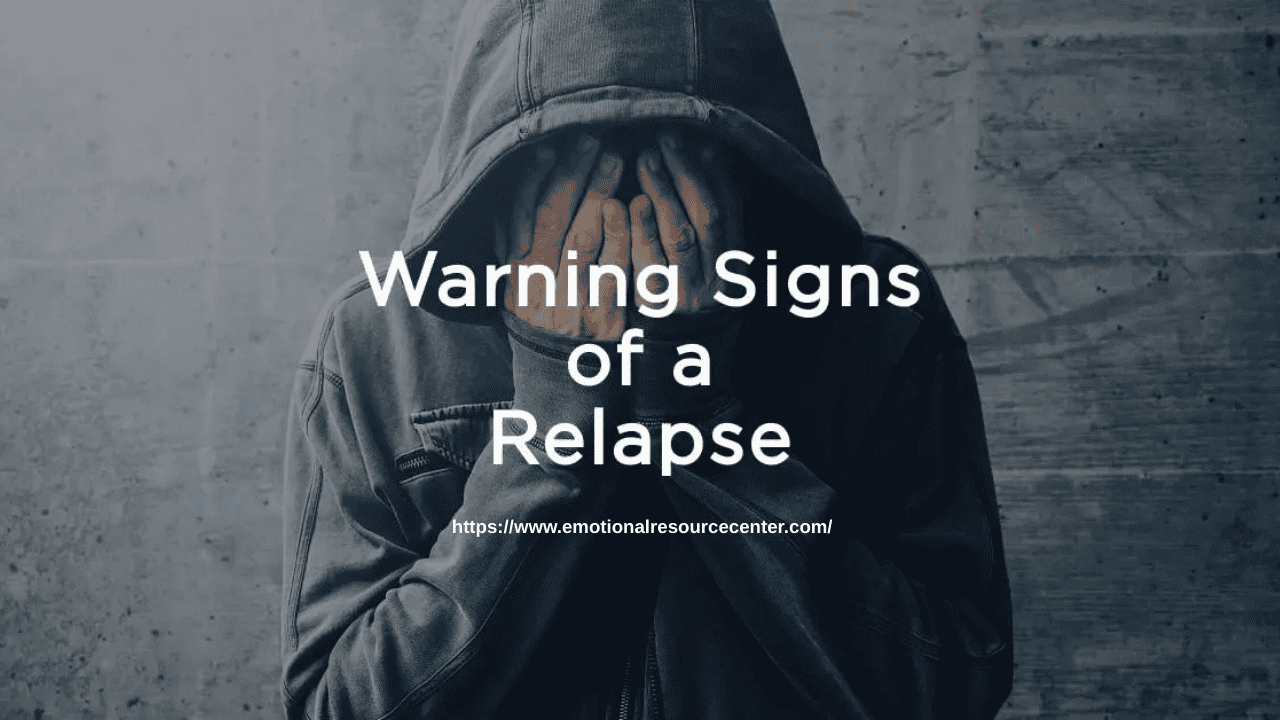
Recovery is a lifelong journey, and while stability is possible, it requires awareness and care. One of the most effective ways to protect your progress is by paying attention to the subtle changes that may indicate a relapse. Relapse rarely happens overnight. It often begins with small shifts in thoughts, feelings, or behaviors. By recognizing these early warning symptoms, you can take action before setbacks occur.
At Emotional Resource Center, we believe that understanding and connection are key to long-term healing. Our holistic and faith-based approach to recovery empowers individuals to identify challenges early and strengthen their wellness journey.
Why Early Detection Matters
When it comes to addiction recovery and mental health treatment, early detection is crucial. Relapse does not mean failure, but it does signal that something in your recovery plan needs adjustment. By noticing the first signs, you have the opportunity to respond with healthy strategies and support before the situation worsens.
10 Early Symptoms That May Signal a Relapse
1. Negative Thinking
Recurring thoughts of hopelessness, guilt, or self-doubt can erode the progress you have made in recovery.
2. Mood Swings
Unexpected irritability, sadness, or anger may point to underlying stress or emotional strain.
3. Social Withdrawal
Avoiding friends, family, or recovery groups is often an early indicator of disconnecting from support systems.
4. Skipping Treatment or Meetings
Missing therapy sessions, support groups, or faith-based gatherings can weaken the foundation of recovery.
5. Loss of Interest
Losing motivation to engage in hobbies, work, or spiritual practices may suggest declining mental wellness.
6. Increased Stress
Feeling overwhelmed or unable to cope with daily responsibilities can heighten relapse risks.
7. Cravings or Temptations
Even fleeting thoughts of using substances or returning to old habits should not be ignored.
8. Neglecting Self-Care
Changes in sleep, eating habits, or personal hygiene often signal mental or emotional struggle.
9. Isolating Emotions
Suppressing feelings instead of expressing them in healthy ways can build internal pressure.
10. Overconfidence
Believing that recovery no longer requires effort or support can lead to complacency and vulnerability.
How to Respond to Early Symptoms
Reconnect with Support
Reach out to family, friends, or a trusted counselor. Recovery thrives in connection, not isolation.
Revisit Your Care Plan
Stay consistent with therapy, meetings, and holistic practices. These routines are the backbone of long-term success.
Practice Stress Management
Incorporate mindfulness, prayer, exercise, or journaling into your daily life to stay grounded.
Seek Professional Help
If symptoms persist, contact a mental health professional or treatment center. Early intervention makes recovery stronger.
Moving Forward with Strength
Relapse does not define you. It is simply a reminder that recovery requires ongoing care and self-awareness. By recognizing these early warning signs and responding with compassion, you give yourself the best chance to stay strong on your journey.
At Emotional Resource Center, we are here to walk beside you with individualized treatment, holistic healing, and faith-based support. If you or a loved one are noticing early symptoms of relapse, do not wait. Reach out today and take the next step toward lasting wellness and freedom.